
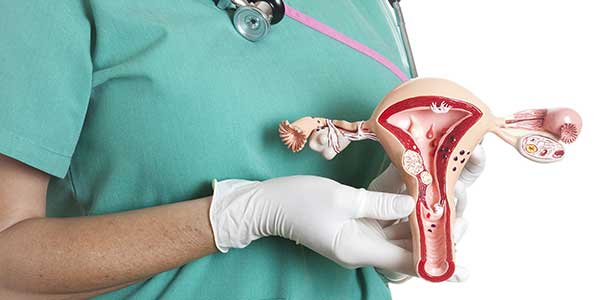
Cervical cancer happens when cells change in women’s cervix, which connects thier uterus with vagina.
Most cases of cervical cancer are caused by infection with human papillomavirus (HPV).
Cervical cancer grows slowly, so there’s usually time to find and treat it before it causes serious problems. It kills fewer and fewer women each year, thanks to improved screening through Pap tests.
There’s more than one kind of cervical cancer.
Squamous cell carcinoma. This forms in the lining of your cervix. It’s found in up to 90% of cases.
Adenocarcinoma. This forms in the cells that produce mucus.
Mixed carcinoma. This has features of the two other types.
You might not notice symptoms of cervical cancer until it’s far along. They may include:
- Pain when you have sex
- Unusual vaginal bleeding, such as after sex, between periods, after menopause, or after a pelvic exam
- Unusual vaginal discharge
- The most important advance in cervical cancer screening is broader use of the Papanicolaou test (Pap smear) and high-risk HPV testing. A Pap smear is part of a woman’s regular pelvic exam. If they spot anything unusual, your doctor will take out a bit of cervical tissue in a procedure called a biopsy.
Other tools can find changes in your cervix. They include:
- A colposcopy is a like a pelvic exam. They stain your cervix with a harmless dye or acetic acid so the cells are easier to see. Then, they use a microscope called a colposcope, which magnifies your cervix by eight to 15 times, to look for unusual cells for biopsy.
- If cervical cancer is diagnosed at an early stage, it's usually possible to treat it using surgery.
- In some cases, it's possible to leave the womb in place, but it may need to be removed.
- The surgical procedure used to remove the womb is called a hysterectomy.
- Radiotherapy is another option for some women with early-stage cervical cancer.
- In some cases, it's used alongside surgery or chemotherapy, or both.
- More advanced cases of cervical cancer are usually treated using a combination of chemotherapy and radiotherapy.
- Some of the treatments can have significant and long-lasting side effects, including early menopause and infertility.
Every examination and operation related to the disease should be performed by a properly equipped hospital with the latest medical technology and professional academic medical staff. The Turkish Health Group will definitely direct you to the hospitals with the most modern medical equipment and professional medical staff related to your disease. Contact us for more information and a free second medical reference from a professional Turkish doctors.