
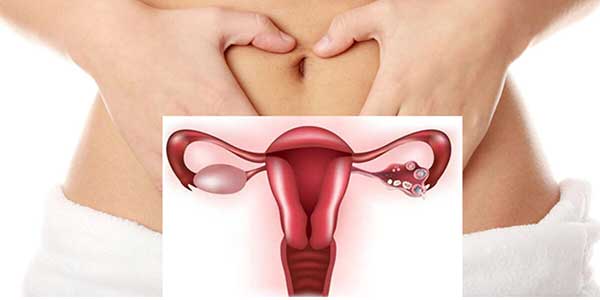
Most ovarian cysts aren’t cancerous. These are called benign cysts. However, a very small number can be cancerous.
An ovarian cyst is a collection of fluid or air that develops in or around the ovary. Most ovarian cysts form as a normal part of ovulation, which is when the ovary releases an egg. They usually only cause mild symptoms, like bloating, and go away without treatment.
Cysts are more of a concern if you aren’t ovulating. Women stop ovulating after menopause. If an ovarian cyst forms after menopause, your doctor may want to do more tests to find out the cause of the cyst, especially if it’s large or doesn’t go away within a few months.
Diagnose methods for ovarian cancer are:
Transvaginal ultrasound (TVUS). TVUS is a type of imaging test that uses sound waves to detect tumors in the reproductive organs, including the ovaries. However, TVUS can’t help your doctor determine whether tumors are cancerous.
Abdominal and pelvic CT scan. If you’re allergic to dye, they may order a pelvic MRI scan.
Blood test to measure cancer antigen 125 (CA-125) levels. A CA-125 test is a biomarker that’s used to assess treatment response for ovarian cancer and other reproductive organ cancers. However, menstruation, uterine fibroids, and uterine cancer can also affect CA-125 levels in the blood.
Biopsy. A biopsy involves removing a small sample of tissue from the ovary and analyzing the sample under a microscope.
The treatment depends on how far the cancer has spread. A team of doctors will determine a treatment plan depending on your situation. It will most likely include two or more of the following:
- chemotherapy
- surgery to stage the cancer and remove the tumor
- targeted therapy
- hormone therapy
Surgery:Surgery is the main treatment for ovarian cancer.
The goal of surgery is to remove the tumor, but a hysterectomy, or complete removal of the uterus, is often necessary.
Your doctor may also recommend removing both ovaries and fallopian tubes, nearby lymph nodes, and other pelvic tissue.
Targeted therapy:Targeted therapies, such as chemotherapy, attack the cancer cells while doing little damage to normal cells in the body.
Newer targeted therapies to treat advanced epithelial ovarian cancer include PARP inhibitors, which are drugs that block an enzyme used by cells to repair damage to their DNA.
Fertility preservation:Cancer treatments, including chemotherapy, radiation, and surgery, can damage your reproductive organs, making it difficult to become pregnant.If you want to become pregnant in the future, talk to your doctor before starting treatment. They can discuss your options for possibly preserving your fertility.
Possible fertility preservation options include:
Embryo freezing: This involves freezing a fertilized egg.
Oocyte freezing: This procedure involves freezing an unfertilized egg.
Surgery to preserve fertility: In some cases, surgery that only removes one ovary and keeps the healthy ovary can be done. This is usually only possible in early stage ovarian cancer.
Ovarian tissue preservation: This involves removing and freezing ovarian tissue for future use.
Ovarian suppression: This involves taking hormones to suppress ovarian function temporarily.
Every examination and operation related to the disease should be performed by a properly equipped hospital with the latest medical technology and professional academic medical staff. The Turkish Health Group will definitely direct you to the hospitals with the most modern medical equipment and professional medical staff related to your disease. Contact us for more information and a free second medical reference from a professional Turkish doctors.