
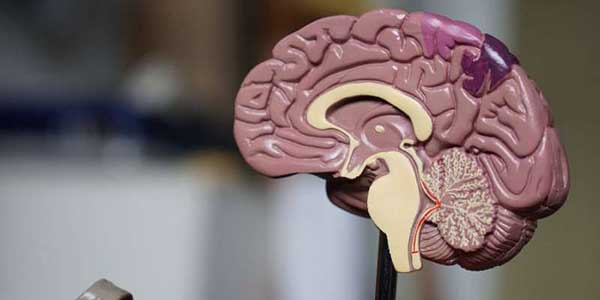
A brain tumor is an abnormal growth of tissue in the brain or central spine that can disrupt proper brain function .Brain tumors can be cancerous (malignant) or noncancerous (benign). Brain tumors are categorized as primary or secondary (metastatic.). Primary brain tumors include tumors that originate from the tissues of the brain or the brain's immediate surroundings. A metastatic tumor is formed when cancer cells located elsewhere in the body break away and travel to the brain. Metastatic tumors are considered cancer and are malignant.
Symptoms of brain tumors vary according to the type of tumor and the location. Some tumors have no symptoms until they’re large and then cause a serious, rapid decline in health. Common symptoms include:
- Changes in speech or hearing
- Headaches
- Changes in vision
- Balance problems
- Problems with walking
- Numbness or tingling in the arms or legs
- Problems with memory
- Personality changes
- Inability to concentrate
- Weakness in one part of the body
İn general, diagnosing a brain tumor usually begins with magnetic resonance imaging (MRI). Once MRI shows that there is a tumor in the brain, the most common way to determine the type of brain tumor is to look at the results from a sample of tissue after a biopsy or surgery.
Treatment options for brain cancer depend on the tumor's location, the degree to which the tumor is affecting brain and spinal cord functions, and the patient’s health history. Some treatment options include chemotherapy, radiation therapy, surgery, ancillary therapeutic agents, and resection
Surgery is the removal of the tumor and some surrounding healthy tissue during an operation. It is usually the first treatment used for a brain tumor. Many different surgical techniques are utilized in the treatment of brain tumors:
Devices like tubular retraction systems and certain surgical techniques allow doctors to spare healthy tissue while removing the tumor. These techniques include "eyebrow" (supra-orbital) craniotomy, "keyhole" (retro-signoid) craniotomy, translabyrinthine craniotomy and endonasal endoscopy.
Using MRI during surgery helps brain surgeons detect and address any challenges before the patient leaves the operating room.
Neuro-Navigation, also termed frameless stereotactic surgery, is the ability to perform real-time intra-operative guidance during brain and/or spinal surgery. This ability increases the accuracy and safety in neurosurgery. Indeed such technology is becoming a standard in neurosurgery. Neuronavigation provides intraoperative orientation to the surgeon, helps in planning a precise surgical approach to the targetted lesion and defines the surrounding neurovascular structures.
Radiation therapy is the use of high-energy x-rays or other particles to destroy tumor cells. Doctors may use radiation therapy to slow or stop the growth of a brain tumor. It is typically given after surgery and possibly along with chemotherapy.
uses a variety of radiation beams to create a conformal coverage of the tumor while limiting the dose to surrounding normal structures. The risk of long-term radiation injury with modern delivery methods is very low.
employs a specific type of radiation in which protons, a form of radioactivity, are directed specifically to the tumor. The advantage is that less tissue surrounding the tumor incurs damage.
Every examination and operation related to the disease should be performed by a properly equipped hospital with the latest medical technology and professional academic medical staff. The Turkish Health Group will definitely direct you to the hospitals with the most modern medical equipment and professional medical staff related to your disease. Contact us for more information and a free second medical reference from a professional Turkish doctors.