
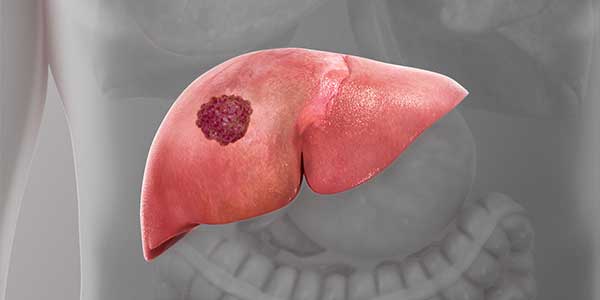
Liver cancer begins in the tissues of the liver, which is located in the upper right portion of the abdomen, beneath the diaphragm and above the stomach. Cirrhosis, diabetes and chronic infection with hepatitis B or C virus are all risk factors for liver cancer. Many of these conditions develop from behaviors that are often lifestyle-related, such as:
- Heavy alcohol use
- Drug use
- Smoking
- Obesity
- Unprotected sex
- Liver tumors generally don't cause symptoms until they've advanced
Symtoms are:
- Unintentional weight loss
- Appetite loss
- Nausea and vomiting
- Abdominal pain or swelling
- Jaundice
- Diagnosis of liver tumors may include:
- A biopsy
- Imaging tests, such as ultrasound, CT scan,elastography, MRI or PET/CT
- Lab tests
- A bone scan
Many treatment options are used for liver cancer, including surgery, radiation therapy and immunotherapy. Which option is appropriate for you depends how much liver damage has been caused by cancer or other conditions and whether the cancer has spread elsewhere in the body, among other factors. Treatment options for liver cancer include:
Interventional radiology:Interventional radiology procedures are designed to deliver treatments directly to the tumor using minimally invasive technologies that help spare surrounding healthy tissue.
Chemotherapy:Chemotherapy may be used before or after surgery to shrink tumors and target cancer cells, or as a systemic treatment for metastatic disease.
Radiation therapy:A variety of radiation therapy procedures may be an option to deliver radiation directly to cancer cells while reducing side effects.
Targeted therapy:Targeted therapy drugs seek out specific proteins unique to cancer cells.
Immunotherapy: Immunotherapy drugs work by blocking receptor proteins that allow cancer cells to hide from the immune system.
Ablation therapies kill a liver tumor instead of removing it. In these techniques, doctors use a probe to kill tumors with hot energy. This minimally invasive approach is most effective for smaller tumors less than 3 cm.
Liver Transplant Surgery:Liver transplantation has proven to be the most effective treatment for patients with hepatocellular carcinoma, a common type of liver cancer. If a patient has liver disease, such as cirrhosis, liver transplantation can also reduce further the risk of recurrence following treatment.
Every examination and operation related to the disease should be performed by a properly equipped hospital with the latest medical technology and professional academic medical staff. The Turkish Health Group will definitely direct you to the hospitals with the most modern medical equipment and professional medical staff related to your disease. Contact us for more information and a free second medical reference from a professional Turkish doctors.