
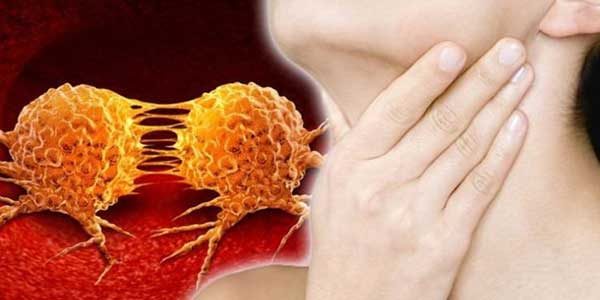
Lymphoma is cancer that begins in infection-fighting cells of the immune system, called lymphocytes. These cells are in the lymph nodes, spleen, thymus, bone marrow, and other parts of the body. Many types of lymphoma exist. The main subtypes are:
- Hodgkin's lymphoma (formerly called Hodgkin's disease)
- Non-Hodgkin's lymphoma
Non-Hodgkin and Hodgkin lymphoma involve different types of lymphocyte cells. Every type of lymphoma grows at a different rate and responds differently to treatment.
Signs and symptoms of lymphoma may include:
- Painless swelling of lymph nodes in your neck, armpits or groin
- Persistent fatigue
- Fever
- Night sweats
- Shortness of breath
- Unexplained weight loss
- Itchy skin
A biopsy typically is taken if a doctor suspects lymphoma. This involves removing cells from an enlarged lymph node. A doctor known as a hematopathologist will examine the cells to determine if lymphoma cells are present and what cell type they are.If the hematopathologist detects lymphoma cells, further testing can identify how far the cancer has spread. These tests can include a chest X-ray, blood testing, or testing nearby lymph nodes or tissues.Imaging scans, such as a computed tomography (CT) or magnetic resonance imaging (MRI) scans may also identify additional tumors or enlarged lymph nodes.
The main treatments forlymphoma:
Chemotherapy: A healthcare team administers aggressive drug treatment to target and kill cancer cells.
Surgery: A surgeon may remove the spleen or other organs after the lymphoma has spread. However, a cancer specialist, or oncologist, will more commonly request surgery
Radiation therapy: A doctor may recommend this type of therapy to target and destroy small areas of cancer. Radiation therapy uses concentrated doses of radiation to kill cancerous cells.
Stem cell transplantation: This can help restore damaged bone marrow following high dose chemotherapy or radiation therapy.
Steroids: A doctor may inject steroids to treat lymphoma.
Biologic therapy: This is a drug treatment that stimulates the immune system to attack the cancer. The drug achieves this by introducing living microorganisms into the body.
Antibody therapy: A medical professional inserts synthetic antibodies into the bloodstream. These respond to the cancer’s toxins.
Every examination and operation related to the disease should be performed by a properly equipped hospital with the latest medical technology and professional academic medical staff. The Turkish Health Group will definitely direct you to the hospitals with the most modern medical equipment and professional medical staff related to your disease. Contact us for more information and a free second medical reference from a professional Turkish doctors.