
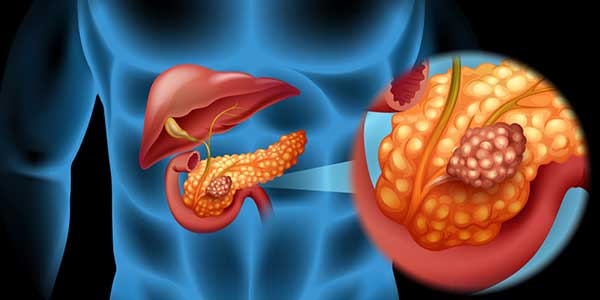
Pancreatic cancer begins in the tissues of your pancreas — an organ in your abdomen that lies behind the lower part of your stomach. Your pancreas releases enzymes that aid digestion and produces hormones that help manage your blood sugar.
Several types of growths can occur in the pancreas, including cancerous and noncancerous tumors. The most common type of cancer that forms in the pancreas begins in the cells that line the ducts that carry digestive enzymes out of the pancreas (pancreatic ductal adenocarcinoma).
Signs and symptoms of pancreatic cancer often don't occur until the disease is advanced. They may include:
- Abdominal pain that radiates to your back
- Loss of appetite or unintended weight loss
- Yellowing of your skin and the whites of your eyes (jaundice)
- Light-colored stools
- Dark-colored urine
- Itchy skin
New diagnosis of diabetes or existing diabetes that's becoming more difficult to control
Blood clots
Fatigue
Chemotherapy:Chemotherapy uses medicines to kill cancer cells.You may have chemotherapy for pancreatic cancer:
to control and improve the symptoms if you are not able to have surgery because you are very unwell, or the cancer cannot be removed by surgery, sometimes with radiotherapy (chemoradiotherapy)
after surgery to help stop the cancer coming back
before surgery to help make the cancer smaller
to treat early cancer
Radiotherapy:Radiotherapy uses high-energy rays of radiation to kill cancer cells.Radiotherapy is not often used to treat pancreatic cancer. But you may have radiotherapy:
to treat early cancer if you are not able to have surgery because you are very unwell or the cancer cannot be removed by surgery – it's usually combined with chemotherapy (chemoradiotherapy)
with chemotherapy before surgery to help make the cancer smaller
to help control and improve the symptoms of advanced cancer
A Whipple procedure — also known as a pancreaticoduodenectomy — is a complex operation to remove the head of the pancreas, the first part of the small intestine (duodenum), the gallbladder and the bile duct.
The Whipple procedure is used to treat tumors and other disorders of the pancreas, intestine and bile duct. It is the most often used surgery to treat pancreatic cancer that's confined to the head of the pancreas. After performing the Whipple procedure, your surgeon reconnects the remaining organs to allow you to digest food normally after surgery.
Every examination and operation related to the disease should be performed by a properly equipped hospital with the latest medical technology and professional academic medical staff. The Turkish Health Group will definitely direct you to the hospitals with the most modern medical equipment and professional medical staff related to your disease. Contact us for more information and a free second medical reference from a professional Turkish doctors.