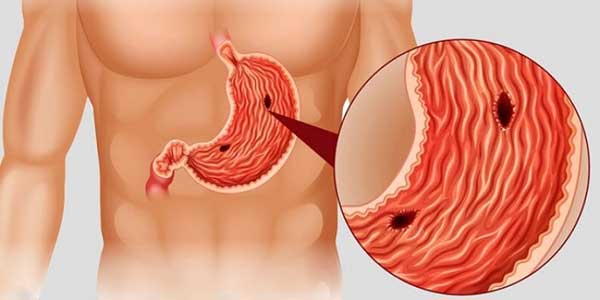
Stomach cancer is an abnormal growth of cells that begins in the stomach. Stomach cancer, also known as gastric cancer, can affect any part of the stomach. In most of the world, stomach cancers form in the main part of the stomach
Where the cancer occurs in the stomach is one factor doctors consider when determining your treatment options. Treatment usually includes surgery to remove the stomach cancer. Other treatments may be recommended before and after surgery.
Tests and procedures used to diagnose stomach cancer include:
A tiny camera to see inside your stomach (upper endoscopy).
Removing a sample of tissue for testing (biopsy).
Imaging tests. Imaging tests used to look for stomach cancer include CT scans and a special type of X-ray exam called a barium swallow.
PET-CT
Onco marker and other blood tests
Most (about 90% to 95%) cancers of the stomach are adenocarcinomas. A stomach cancer or gastric cancer almost always is an adenocarcinoma.
These rare tumors start in very early forms of cells in the wall of the stomach called interstitial cells of Cajal. Some of these tumors are non-cancerous (benign); others are cancerous. Although GISTs can be found anywhere in the digestive tract, most are found in the stomach.Gastrointestinal carcinoid tumors form from a certain type of neuroendocrine cell (a type of cell that is like a nerve cell and a hormone-making cell). These cells are scattered throughout the chest and abdomen but most are found in the GI tract. Neuroendocrine cells make hormones that help control digestive juices and the muscles used in moving food through the stomach and intestines. A GI carcinoid tumor may also make hormones and release them into the body.
GI carcinoid tumors are rare and most grow very slowly. Most of them occur in the small intestine, rectum, and appendix. Sometimes more than one tumor will form.
Different types of treatment are available for patients with gastrointestinal carcinoid tumor.
Surgery
Treatment of GI carcinoid tumors usually includes surgery. One of the following surgical procedures may be used:
Surgery to remove a small tumor that is on the inside lining of the GI tract.
Surgery to remove the tumor and a small amount of normal tissue around it.
Surgery to remove part or all of the organ that contains cancer. Nearby lymph nodes may also be removed.
A treatment that uses an instrument to freeze and destroy carcinoid tumor tissue.
A treatment that uses an instrument to freeze and destroy carcinoid tumor tissue.
The use of a special probe with tiny electrodes that release high-energy radio waves (similar to microwaves) that kill cancer cells. The probe may be inserted through the skin or through an incision (cut) in the abdomen. Radiation therapy is a cancer treatment that uses high-energy x-rays or other types of radiation to kill cancer cells or keep them from growing. There are two types of radiation therapy:
External radiation therapy uses a machine outside the body to send radiation toward the area of the body with cancer.
Internal radiation therapy uses a radioactive substance sealed in needles, seeds, wires, or catheters that are placed directly into or near the cancer.
Radiopharmaceutical therapy is a type of internal radiation therapy. Radiation is given to the tumor using a drug that has a radioactive substance, such as iodine I 131, attached to it.
Chemotherapy is a cancer treatment that uses drugs to stop the growth of cancer cells, either by killing the cells or by stopping the cells from dividing.
Chemoembolization of the hepatic artery is a type of regional chemotherapy that may be used to treat a gastrointestinal carcinoid tumor that has spread to the liver. The anticancer drug is injected into the hepatic artery through a catheter (thin tube). The drug is mixed with a substance that embolizes (blocks) the artery, and cuts off blood flow to the tumor. Most of the anticancer drug is trapped near the tumor and only a small amount of the drug reaches other parts of the body. The blockage may be temporary or permanent, depending on the substance used to block the artery.
The way the chemotherapy is given depends on the type and stage of the cancer being treated.
Hormone therapy with a somatostatin analog is a treatment that stops extra hormones from being made. GI carcinoid tumors are treated with octreotide or lanreotide which are injected under the skin or into the muscle. Octreotide and lanreotide may also have a small effect on stopping tumor growth
Every examination and operation related to the disease should be performed by a properly equipped hospital with the latest medical technology and professional academic medical staff. The Turkish Health Group will definitely direct you to the hospitals with the most modern medical equipment and professional medical staff related to your disease. Contact us for more information and a free second medical reference from a professional Turkish doctors.